


Medical Aesthetics Market Research, 2034
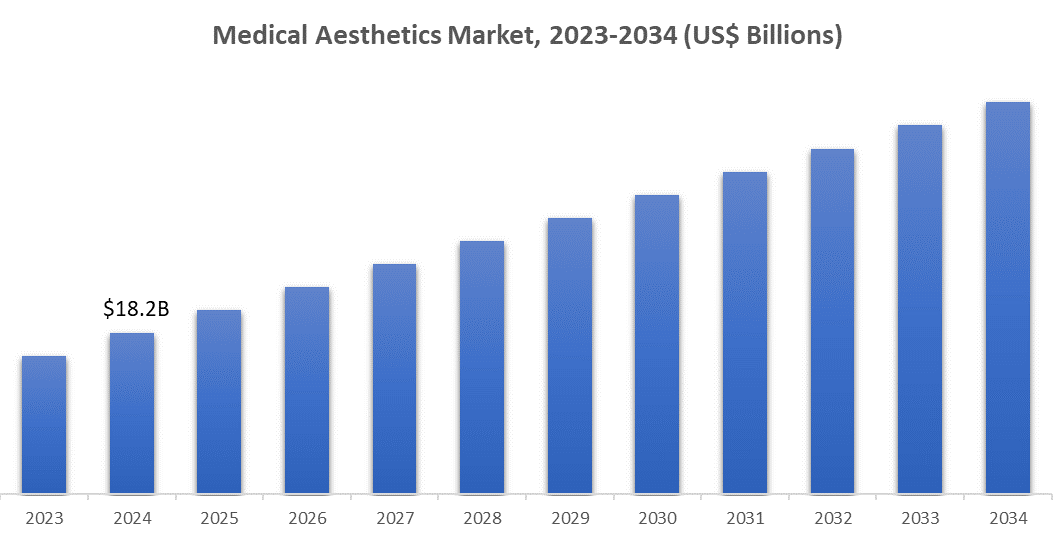
The global medical aesthetics market is expected to grow at a CAGR of 12.9% from 2024 to 2034. The market was valued at US$ 16.2 billion in 2023 and is projected to reach US$ 61.8 billion by 2034.
Medical aesthetics includes sophisticated, non-invasive, or minimally invasive treatments designed to improve physical appearance and tackle cosmetic issues. These therapies help improve skin texture, decrease wrinkles, sculpt the body, eliminate scars or discoloration, and provide anti-aging options. Employing technologies such as lasers, injectables, energy-driven devices, and implants, medical aesthetics merges science with beauty to achieve outcomes.
Common treatments include Botox shots, dermal fillers, laser hair removal, and facial revitalization. Medical aesthetics is typically conducted by dermatologists, plastic surgeons, or certified experts in clinics, spas, and beauty facilities. With the rising need for safe, efficient, and fast solutions, the industry has experienced rapid global expansion, driven by technological progress and increased awareness.
Market Highlights
The market is driven by heightened awareness of minimally invasive techniques that deliver effective outcomes with reduced recovery time. The growth of social media and evolving beauty ideals have increased attention towards aesthetic improvements. Additionally, technological progress, including energy-driven devices and combined therapies, has broadened the range of treatment options.
Rising disposable income, particularly in developing nations, along with a growing elderly population seeking anti-aging solutions, also drives demand. In the future, an emphasis on tailored solutions, aesthetics aimed at men, and the incorporation of AI for accurate diagnostics is anticipated to support market expansion. Furthermore, growing markets and heightened acceptance among millennials will propel future growth.
Source: Fatpos Global
Market Segmentation
Aesthetic devices lead, fueled by the popularity of Botox, dermal fillers, and more
The Market is divided by Type into Facial Aesthetic Devices, Aesthetic Implants, Skin Aesthetic Devices, Energy Devices, Body Contouring Devices, and Aesthetic Laser Devices. Facial aesthetic devices dominate the market, fueled by the demand for treatments such as Botox, dermal fillers, and non-invasive facelifts. These techniques are slightly invasive, involve little recovery time, and provide rapid outcomes, making them a favored option for clients.
The increasing emphasis on anti-aging solutions by the aging population and millennials' growing interest in preventative treatments have strengthened demand even more. Social media and the "Zoom effect" have increased awareness and acceptance of facial aesthetics. Innovations in injectables and energy-based devices are continually broadening this segment's reach, securing ongoing leadership in the market.
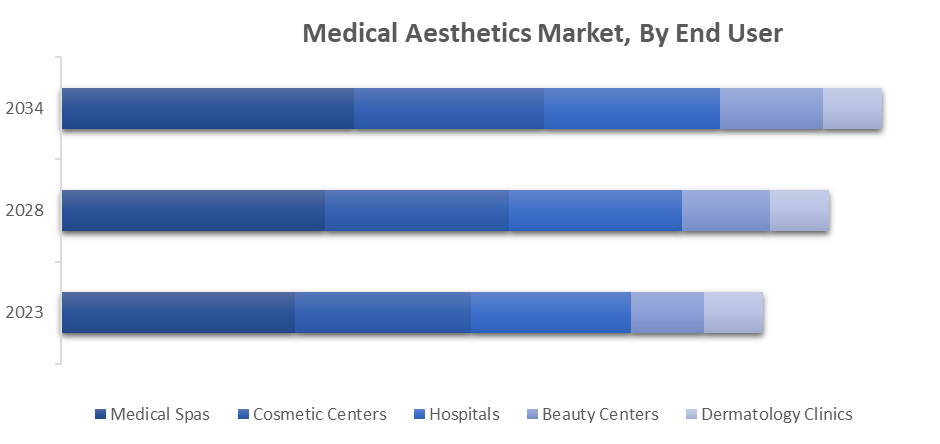
Medical spas lead the market, combining advanced treatments with a relaxing spa-like experience
The Market is divided into segments such as Medical Spas, Hospitals, Beauty Centers, Cosmetic Centers, and Dermatology Clinics. Medical spas lead the market by merging cutting-edge medical procedures with the soothing ambiance of spas, attracting a broad range of clients. They are particularly favored by millennials and Gen X, providing customized therapies for skin renewal, anti-aging, and body shaping.
The increasing availability of these spas in city and suburban regions, along with their emphasis on non-invasive treatments, guarantees ongoing expansion. Collaborations with major device manufacturers and marketing approaches aimed at younger audiences play a role in their dominance in the sector.
Source: Fatpos Global
Market Dynamics
Growth Drivers
Rising Demand for Minimally Invasive Procedures to Drive Market Growth
Minimally invasive techniques such as Botox, fillers, and laser therapies have become popular because of their quicker recovery periods, reduced risks, and affordability when compared to surgical options. Shoppers are placing greater importance on the convenience and security provided by these processes.
The worldwide emphasis on enhancing physical looks and advancements in minimally invasive technologies have additionally driven demand. For example, combination therapies that provide both anti-aging effects and rejuvenation advantages are in great demand.
Growing Awareness of Aesthetic Treatments to Fuel Market Expansion
Social media and influencer culture have greatly heightened consumer awareness regarding aesthetic procedures. Platforms such as Instagram and TikTok highlight transformations from before to after, rendering these procedures more relatable and appealing. Promotional efforts by top brands, along with endorsements from celebrities, have contributed to the normalization of these treatments.
Restraints
High Cost of Procedures May Hinder Growth
The expensive nature of medical aesthetics treatments restricts access for a large segment of the population. The prices are driven up by the advanced technologies, equipment, and expertise utilized in these treatments. For example, body sculpting treatments or high-end dermal fillers frequently carry significant costs, rendering them accessible mainly to wealthy clients. Although financing options and installment plans exist, they are not universally available.
Recent Developments
- In 2024, Allergan Aesthetics expanded its presence in the Chinese market with the launch of BOTOX Cosmetic (onabotulinumtoxinA) for treating Masseter Muscle Prominence in adults. The company also collaborated with SkinSpirit to support and empower women in STEM fields, fostering a new generation of leaders.
- Galderma Laboratories unveiled "NEXT," a pioneering trend report that forecasts the future of aesthetics. This comprehensive research identifies key trends poised to drive growth in the aesthetics industry in the coming years.
- Cynosure and Lutronic announced a strategic merger in 2024, creating a leading global medical aesthetics technology company. Additionally, Cynosure partnered with LaserAway to introduce Potenza RF Microneedling, a groundbreaking technology, to consumers nationwide.
- Evolus achieved a significant regulatory milestone in 2024 by approving its Estyme Injectable Hyaluronic Acid Gels under the new Medical Device Regulation. This certification enables Evolus to enter the dermal filler market commercially, effectively doubling its addressable market outside the US to $1.8 billion.
Key Players
- Allergan Aesthetics (AbbVie Inc.)
- Galderma Laboratories
- Cynsoure
- Evolus, Inc.
- Revance Therapeutics
- Bausch Health Companies Inc.
- Lumenis Ltd.
- Sinclair Pharma
- Candela Corporation
- Syneron Medical Ltd.
- Alma Lasers (Sisram Medical Ltd.)
- Hologic, Inc. (Cynosure)
- Johnson & Johnson (Mentor Worldwide)
- Sientra, Inc.
- Merz Pharmaceuticals
- Other Prominent Players (Company Overview, Business Strategy, Key Product Offerings, Financial Performance, Key Performance Indicators, Risk Analysis, Recent Development, Regional Presence, SWOT Analysis)
Regional Analysis
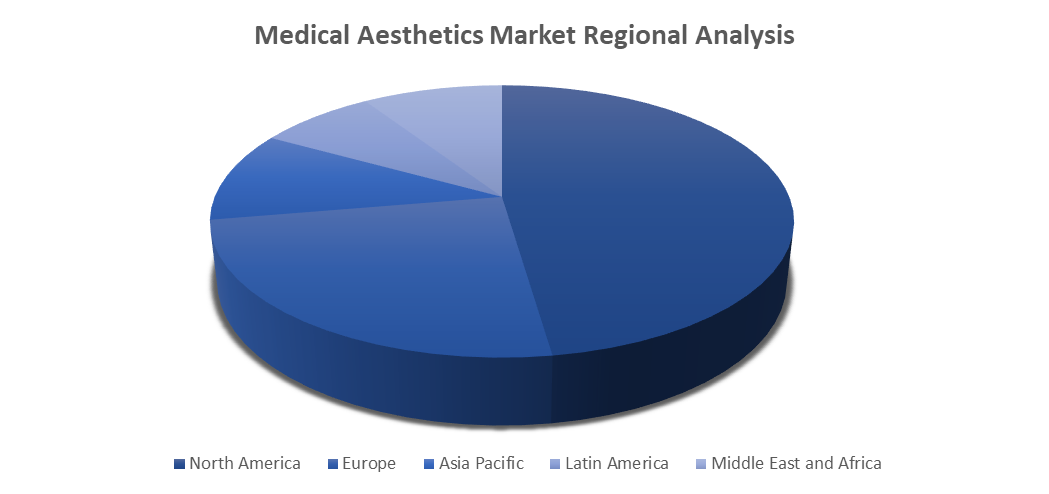
The Global Medical Aesthetics Market is divided by regional analysis into five key areas: North America, Latin America, Europe, Asia Pacific, and the Middle East and Africa.
North America holds a dominant position in the market, fueled by significant disposable income, a robust healthcare system, and broad acceptance of cosmetic procedures.
The U.S., notably, takes the lead because of heightened demand for Botox, dermal fillers, and body sculpting treatments. Significant industry stakeholders and ongoing technological advancements continue to foster growth in this region.
Europe follows closely, supported by growing interest in non-invasive treatments and an aging population.
The Asia-Pacific region is emerging rapidly, with rising disposable incomes, increasing awareness, and growing medical tourism, particularly in countries like South Korea and India.
Latin America and the Middle East & Africa are smaller markets but show potential due to increasing accessibility and cultural acceptance of aesthetic procedures.
Source: Fatpos Global
Impact of Covid-19 on the Market
The COVID-19 pandemic first impacted the market due to the lockdowns, the shutting down of clinics, and postponed elective procedures. Nonetheless, as limitations relaxed, the market surged robustly, driven by accumulated demand and an emphasis on self-care. The "Zoom effect," in which people became more aware of their looks during video meetings, resulted in a higher demand for cosmetic treatments such as Botox and fillers.
Moreover, the increased disposable income accrued during the lockdowns allowed consumers to spend on cosmetic procedures. After the pandemic, clinics have implemented hybrid models that merge in-person visits with digital consultations, enhancing accessibility. The industry has likewise moved toward more individualized, outcome-focused therapies to meet the increasing demand.
Market is further segmented by region into:
- North America Market Size, Share, Trends, Opportunities, Y-o-Y Growth, CAGR – United States and Canada
- Latin America Market Size, Share, Trends, Opportunities, Y-o-Y Growth, CAGR – Mexico, Argentina, Brazil, and Rest of Latin America
- Europe Market Size, Share, Trends, Opportunities, Y-o-Y Growth, CAGR – United Kingdom, France, Germany, Italy, Spain, Belgium, Hungary, Luxembourg, Netherlands, Poland, NORDIC, Russia, Turkey, and Rest of Europe
- Asia Pacific Market Size, Share, Trends, Opportunities, Y-o-Y Growth, CAGR – India, China, South Korea, Japan, Malaysia, Indonesia, New Zealand, Australia, and Rest of APAC
- Middle East and Africa Market Size, Share, Trends, Opportunities, Y-o-Y Growth, CAGR – North Africa, Israel, GCC, South Africa, and Rest of MENA
Market Scope and Segments
|
ATTRIBUTE |
DETAILS |
|
Study Period |
2018-2034 |
|
Base Year |
2023 |
|
Forecast Period |
2024-2034 |
|
Historical Period |
2019-2022 |
|
Growth Rate |
CAGR of 12.9% from 2024-2034 |
|
Unit |
Value (US$ Billion) |
|
Segmentation |
Main Segments List |
|
By Type |
|
|
By Application |
|
|
By End Users |
|
|
By Distribution Centers |
|
|
By Region |
|
Frequently Asked Questions (FAQ):
The global medical aesthetics market size was valued at US$ 16.2 billion in 2023 and is projected to reach the value of US$ 61.8 billion in 2034, exhibiting a CAGR of 12.9% during the forecast period.
The Market refers to the industry that provides non-surgical and minimally invasive treatments for cosmetic purposes, such as Botox, dermal fillers, and laser treatments. This market is growing rapidly, driven by increasing demand for anti-aging and beauty treatments.
The Aesthetic Devices and Medical Spas segment accounted for the largest Market share.
Key players in the Medical Aesthetics Market include Allergan Aesthetics (AbbVie Inc.), Galderma Laboratories, Cynosure, Evolus, Inc., Revance Therapeutics, Bausch Health Companies Inc., Lumenis Ltd., Sinclair Pharma, Candela Corporation, Syneron Medical Ltd., Alma Lasers (Sisram Medical Ltd.), Hologic, Inc. (Cynosure), Johnson & Johnson (Mentor Worldwide), Sientra, Inc., Merz Pharmaceuticals. and Other Prominent Players.
The Market is driven by factors such as increasing demand for anti-aging treatments, rising disposable incomes, growing awareness of cosmetic procedures, and advancements in technology and minimally invasive treatments.
 Select License Type


.png)


