


Polyurea Grease Market Research, 2034
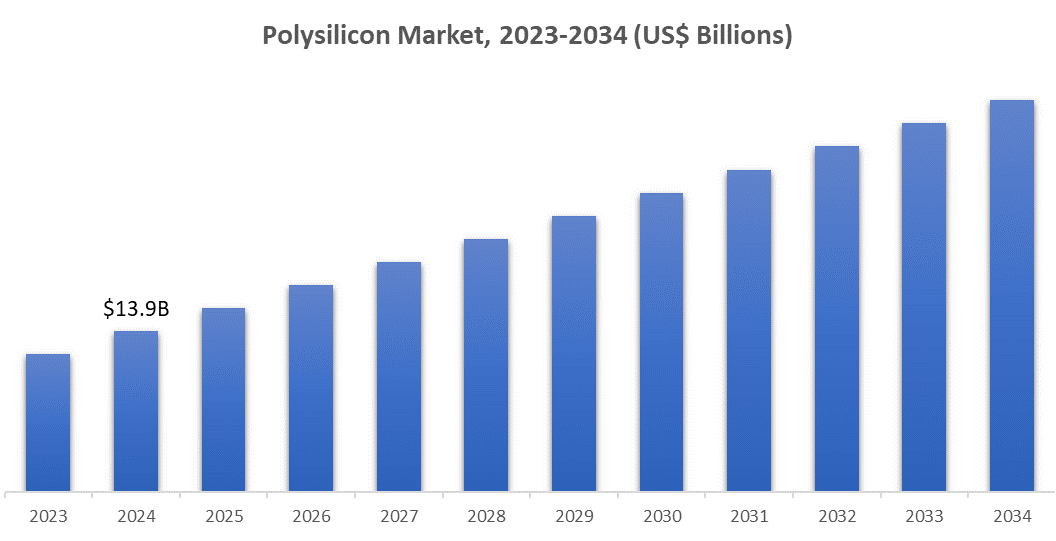
With a robust CAGR of 7.9% expected from 2024 to 2034, the global polyurea grease market is poised for significant growth. Starting at US$ 448.9 million in 2023, the market is projected to attain a value of US$ 1003.1 million by 2034.
Polyurea grease is a top-quality lubricant renowned for its outstanding stability and long-lasting performance in harsh environments. Polyurea is created by combining isocyanates with amines to form a synthetic compound. This lubricant offers excellent protection against extreme heat, oxidation, and moisture, making it perfect for use in extreme conditions where long-lasting lubrication is needed.
Polyurea grease is widely utilized in automotive, industrial, construction, and mining industries due to its capacity to withstand heavy loads and prevent deterioration. Characteristics of this include good mechanical stability, resistance to rust and corrosion, and low volatility, which all help ensure the dependable operation and long lifespan of machinery and equipment.
Market Highlights:
Market is expanding due to the exceptional performance of polyurea grease in challenging environments such as high temperatures and heavy loads. This characteristic makes it suitable for use in demanding applications within the automotive, industrial, and construction industries. Its ability to resist oxidation, water, and rust helps prolong the lifespan of equipment and lower maintenance expenses.
With the growth of industrial operations globally and advancements in automotive technology, the need for high-quality lubricants such as polyurea grease is on the rise. Moreover, more strict environmental rules are driving industries towards lubricants that are both more long-lasting and effective. Anticipated future market expansion is attributed to continuous industrialization, infrastructure improvement, and increasing usage of advanced automotive and machinery technologies.
Market Segmentation:
Multipurpose grease holds the predominant position due to its versatility and wide range of applications
Market is segmented based on Type into Multipurpose and Heavy Duty. Multipurpose grease is likely to lead the market due to its outstanding versatility and wide range of uses. Multipurpose greases are capable of working efficiently in a variety of operating conditions, allowing them to be used in a wide range of applications due to their ability to handle different temperatures, loads, and speeds. This ability to substitute various specialized greases helps cut inventory expenses and streamline maintenance processes, resulting in cost savings.
Furthermore, versatile greases are commonly utilized in a variety of sectors such as automotive, construction, and industrial machinery. Their higher market demand is influenced by their ability to meet the diverse needs of these sectors, which strengthens their position as the top product type in the market.
Manufacturing sectors' diverse machinery and high-performance demand to strengthen their position as market leader
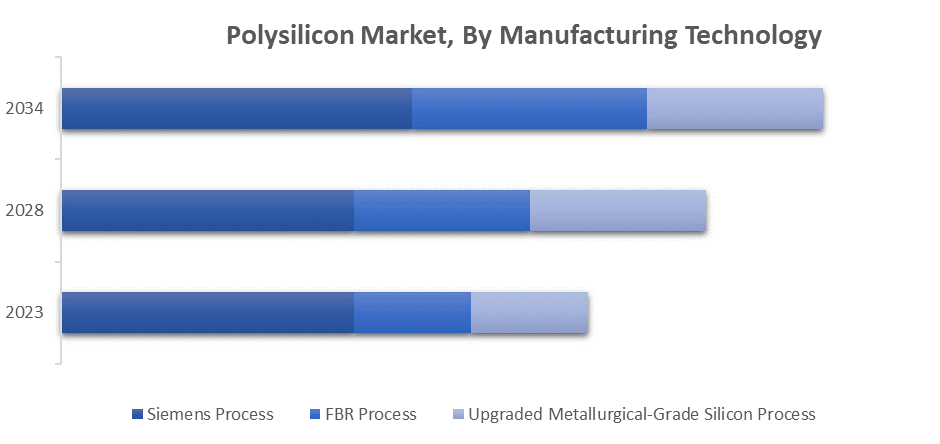
Market is segmented based on End User into Manufacturing, Construction, Automotive, Mining, and Others. Manufacturing is the dominant sector in the market, influenced by several important factors. Manufacturing plants consist of a large variety of machinery and equipment, including assembly lines and heavy-duty industrial machines, all needing regular lubrication to work at their best and last longer.
The exceptional ability of polyurea grease to resist heat, oxidation, and water makes it ideal for the high-performance demand of manufacturing, which frequently includes heavy loads, high temperatures, and extreme conditions. Furthermore, unexpected interruptions caused by lubrication issues can be costly, but polyurea grease helps in minimizing this risk by offering exceptional load-bearing ability and protection against wear. Additionally, polyurea grease aids in increasing energy efficiency by minimizing friction and wear, which is a key priority for contemporary manufacturing plants.
Market Dynamics:
Growth Drivers
Strong Demand for High-Performance Lubricants to Boost Market Growth
The increasing need for high-performance lubricants is driven by the demand for greases that can endure extreme conditions like high temperatures, heavy loads, and harsh environments. Diverse Sectors such as automotive, manufacturing, construction, and mining require lubricants that can uphold their performance in such demanding environments.
Polyurea grease is gaining more and more popularity due to its outstanding thermal stability, resistance to oxidation, and ability to carry heavy loads, making it ideal for high-stress uses. The market is projected to expand due to an increasing need for dependable, long-lasting lubricants such as polyurea grease as technology and equipment becomes more sophisticated and demanding.
Increased Emphasis on Reducing Environmental Impact to Drive Market Growth
Strict environmental regulations are pushing companies to switch to more environmentally friendly products, such as lubricants. Polyurea grease's lower toxicity levels and minimal environmental impact align with these regulations, leading to a rise in its adoption. Regulatory authorities on a global scale are implementing more stringent regulations to reduce emissions, pollution, and environmental risks related to industrial activities.
In direct response, companies are creating polyurea greases that can function in harsh conditions while also complying with environmental regulations. The market is being driven by companies aiming to reduce their ecological footprint and improve operational efficiency by embracing sustainable and compliant products. The increasing focus on eco-friendly technologies continues to drive the need for environmentally friendly lubricants such as polyurea grease.
Restraints
High Cost of Polyurea Grease to Act as a Barrier to Market Growth
The relatively higher cost of polyurea grease in comparison to other lubricants can hinder its market expansion. Polyurea grease contains high-tech synthetic ingredients that provide outstanding traits such as top-notch thermal stability, resistance to oxidation, and long-lasting performance in harsh environments. Nevertheless, these benefits can result in higher manufacturing expenses, causing polyurea grease to be pricier compared to traditional greases such as lithium or calcium-based products.
In industries or applications where extreme performance is not needed, the price difference may discourage adoption for those sensitive to costs. Moreover, corporations operating with limited maintenance funds may lookout for more affordable options, even if they need to be reapplied more often. The cost factor may restrict the widespread adoption of polyurea grease, especially in areas or sectors where cost-effectiveness is a major consideration.
Recent Developments
- In 2023, Chevron introduced a new polyurea grease designed for high-temperature applications in industrial machinery, aiming to enhance equipment performance and longevity. The company has been expanding its product portfolio to meet the growing demand for high-performance lubricants, especially in the automotive and industrial sectors.
- In early 2024, ExxonMobil Corporation launched a new line of polyurea greases, offering improved high-load and high-temperature performance for heavy-duty machinery. The company partnered with a leading technology firm to develop advanced lubrication technologies, including polyurea greases, to enhance industrial efficiency.
- In 2023, Royal Dutch Shell plc expanded its polyurea grease offerings to include specialized formulations for the aerospace and marine industries. The company acquired a lubricants company with expertise in polyurea technology to strengthen its product development capabilities and market reach.
- In 2023, Fuchus Group introduced a new polyurea grease designed for high-pressure applications in the construction and mining sectors. The company has been actively investing in research and development (R&D) to enhance the performance characteristics of its polyurea greases, with a focus on sustainability and environmental compliance.
- In late 2023, Total Energies launched a new line of polyurea greases, emphasizing their suitability for high-temperature and high-load applications in the automotive and industrial sectors. The company also acquired a firm specializing in polyurea grease technologies to expand its product offerings and market presence.
Key Players:
- Chevron Corporation
- ExxonMobil Corporation
- Royal Dutch Shell plc
- TOTAL Energies
- FUCHS Group
- Dow Inc.
- Idemitsu Kosan Co., Ltd.
- BP p.l.c.
- Petro-Canada Lubricants Inc.
- Klüber Lubrication
- Sinopec Corporation
- SKF Group
- ENI S.p.A.
- Bel-Ray Company, LLC
- Phillips 66 Company
- Other Prominent Players (Company Overview, Business Strategy, Key Product Offerings, Financial Performance, Key Performance Indicators, Risk Analysis, Recent Development, Regional Presence, SWOT Analysis)
Regional Analysis
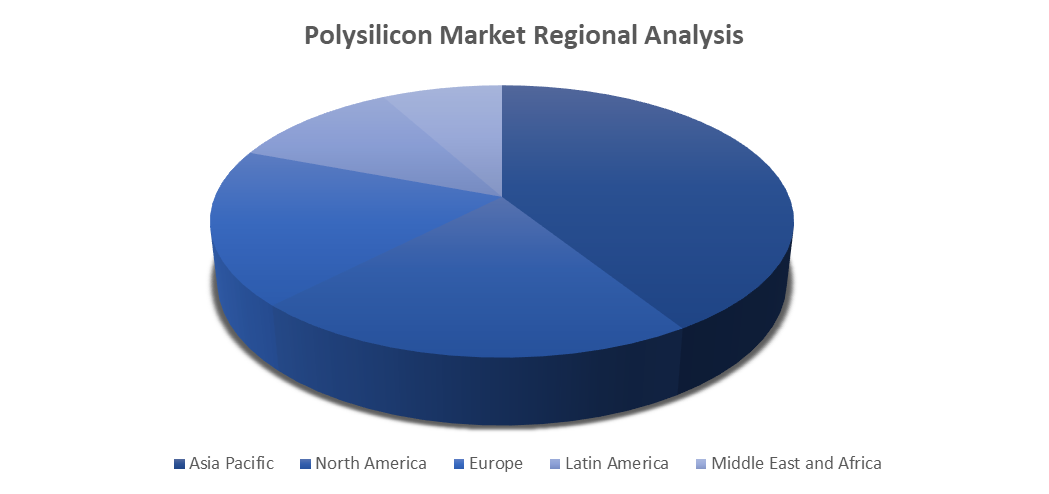
The global polyurea grease market is segmented based on regional analysis into five major regions: North America, Latin America, Europe, Asia Pacific and the Middle East and Africa.
North America leads the market due to its established industrial base and advanced technological infrastructure. Strong manufacturing, automotive, and construction industries in the region create a substantial demand for high-quality lubricants such as polyurea grease.
Furthermore, the strict environmental regulations in North America are encouraging industries to use environmentally friendly products, which is increasing the demand for polyurea grease due to its minimal environmental impact. The region's dominance is also supported by the involvement of key market leaders and continuous investment in research and development. The emphasis on innovation and adoption of advanced lubricants in various high-demand sectors is particularly significant in the U.S., playing a crucial role.
Europe and Asia-Pacific have substantial share in the market, following North America's leadership. Europe's economy is influenced by the strict environmental regulations and a robust industrial foundation, especially in the automotive and manufacturing sectors.
The Asia-Pacific region is going through fast industrialization and urbanization, driven by increasing demand from emerging economies such as China and India, which is fuelling market expansion.
Latin America and the Middle East & Africa, despite their smaller sizes, are experiencing a sluggish growth in the usage of polyurea grease, especially in growing industrial and construction industries.
Market is further segmented by region into:
- North America Market Size, Share, Trends, Opportunities, Y-o-Y Growth, CAGR – United States and Canada
- Latin America Market Size, Share, Trends, Opportunities, Y-o-Y Growth, CAGR – Mexico, Argentina, Brazil, and Rest of Latin America
- Europe Market Size, Share, Trends, Opportunities, Y-o-Y Growth, CAGR – United Kingdom, France, Germany, Italy, Spain, Belgium, Hungary, Luxembourg, Netherlands, Poland, NORDIC, Russia, Turkey, and Rest of Europe
- Asia Pacific Market Size, Share, Trends, Opportunities, Y-o-Y Growth, CAGR – India, China, South Korea, Japan, Malaysia, Indonesia, New Zealand, Australia, and Rest of APAC
- Middle East and Africa Market Size, Share, Trends, Opportunities, Y-o-Y Growth, CAGR – North Africa, Israel, GCC, South Africa, and Rest of MENA
Market Scope and Segments:
|
ATTRIBUTE |
DETAILS |
|
Study Period |
2018-2034 |
|
Base Year |
2023 |
|
Forecast Period |
2024-2034 |
|
Historical Period |
2019-2022 |
|
Growth Rate |
CAGR of 7.9% from 2024-2034 |
|
Unit |
Value (US$ Million) |
|
Segmentation |
Main Segments List |
|
By Type |
|
|
By Application |
|
|
By Region |
|
Frequently Asked Questions (FAQ):
The global polyurea grease market size was valued at US$ 448.9 million in 2023 and is projected to reach the value of US$ 1003.1 million in 2034, exhibiting a CAGR of 7.9% during the forecast period.
The market involves the production, distribution, and application of polyurea-based lubricants. Known for their excellent thermal stability, oxidation resistance, and durability, these greases are widely used in industries such as automotive, manufacturing, and construction to ensure machinery performance and longevity under extreme operating conditions.
The Multipurpose and Machinery segment accounted for the largest market share.
Key players in the global polyurea grease market include Chevron Corporation, ExxonMobil Corporation, Royal Dutch Shell plc, TOTAL Energies, FUCHS Group, Dow Inc., Idemitsu Kosan Co., Ltd., BP p.l.c., Petro-Canada Lubricants Inc., Klüber Lubrication, Sinopec Corporation, SKF Group, ENI S.p.A., Bel-Ray Company, LLC, Phillips 66 Company. and Other Prominent Players.
The market is driven by the increasing demand for high-performance lubricants, stringent environmental regulations, and the growing need for reliable machinery maintenance in various industries.
 Select License Type


.png)


