


HVAC Pump Market Research 2035
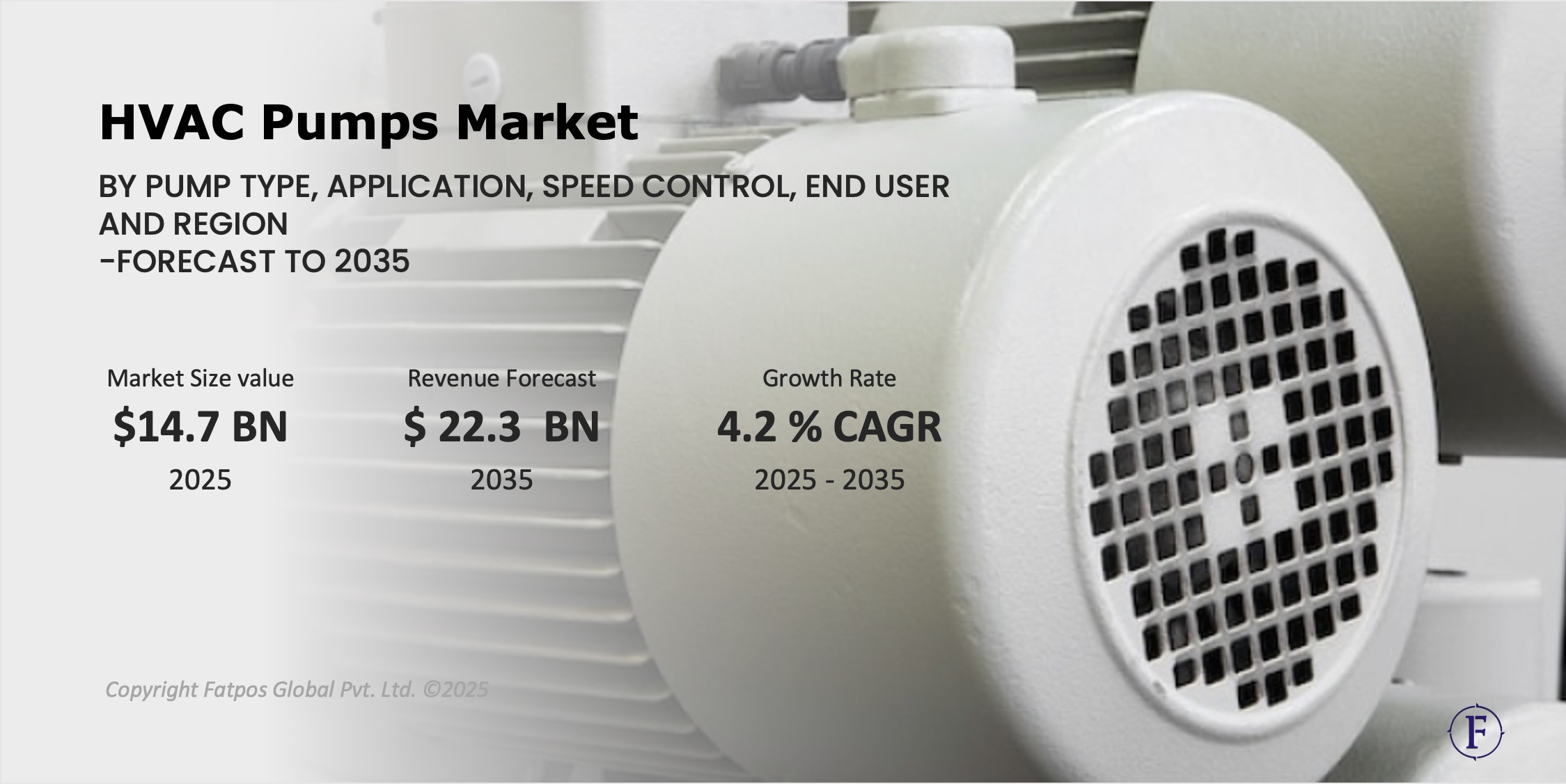
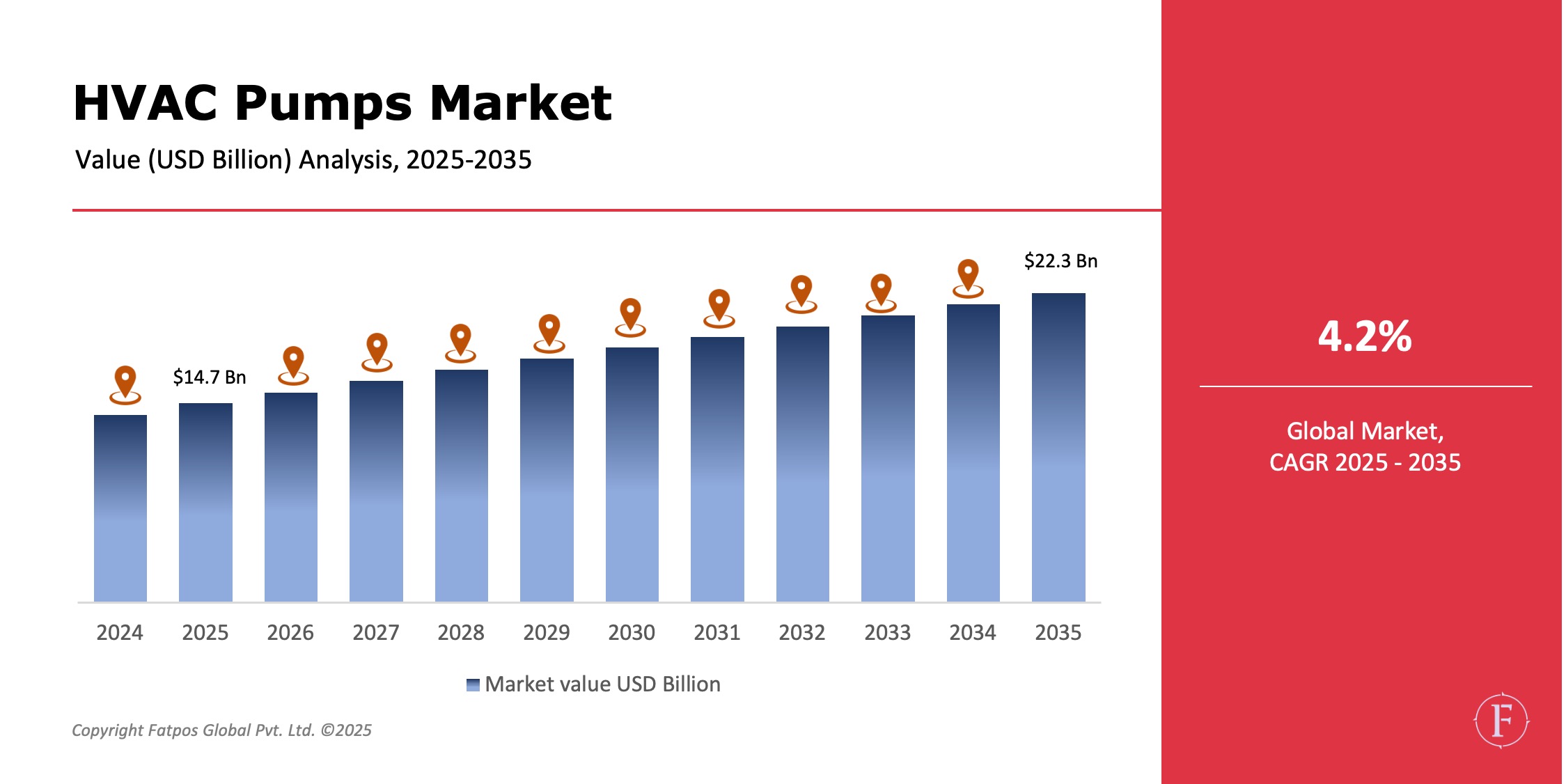
The HVAC Pump Market was valued at approximately USD 14.7 billion in 2025 and is projected to reach around USD 22.3 billion by 2035, exhibiting a CAGR of 4.2% during the forecast period from 2025 to 2035. This growth is driven by rising demand for energy-efficient HVAC systems, expansion in construction of residential and commercial infrastructure, increasing adoption of variable-speed pumping solutions, and stringent regulations aimed at reducing carbon emissions in building systems.
HVAC pumps are vital in heating, ventilation, and air conditioning systems, circulating water, glycol, or thermal fluids through boilers, chillers, and fan coils. They ensure indoor comfort and energy efficiency across diverse settings—from homes to industrial complexes—with varied designs and controls.
Product Overview
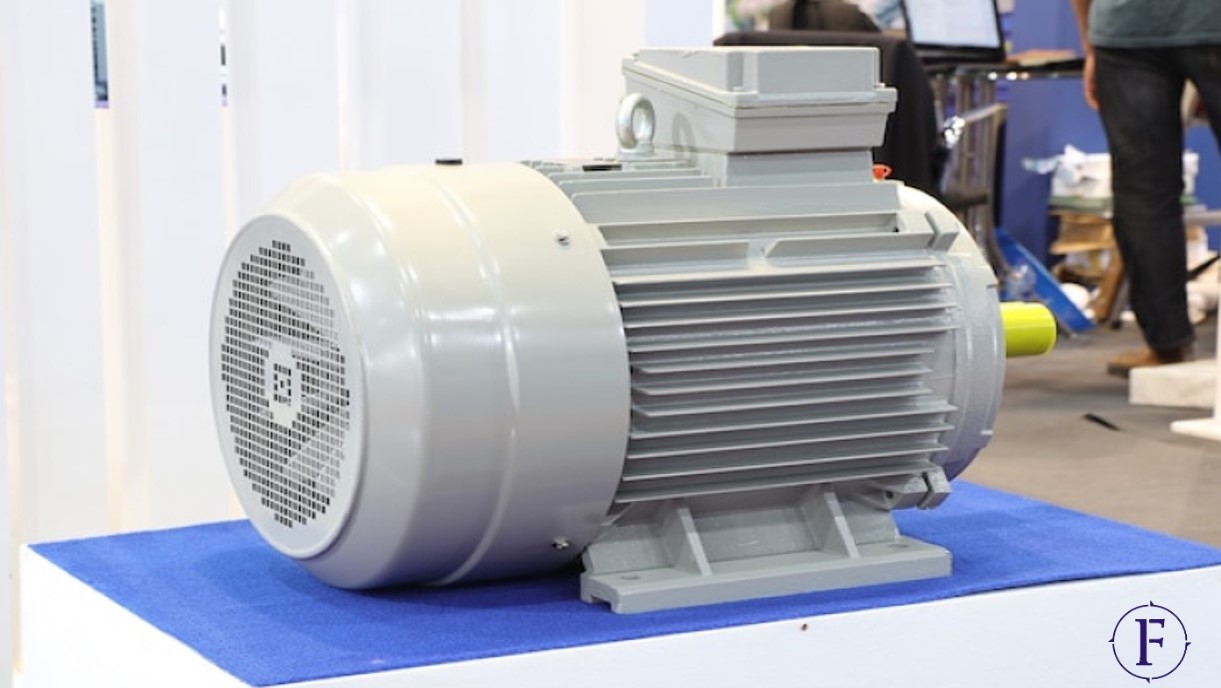
HVAC pumps are specialized fluid handling devices designed for circulating thermal fluids used in building climate control systems. These pumps ensure effective heat transfer within HVAC systems by moving heated or cooled water/glycol mixtures through hydronic circuits.
By pump type, the market includes single-stage and multi-stage pumps, as well as centrifugal, booster, circulator, condensate, chilled water, and heat pump circulation pumps, each serving specific pressure and flow requirements. Single-stage and circulator pumps are typically used in smaller residential and commercial systems, while multi-stage and centrifugal designs are essential in large commercial and industrial HVAC networks.
Key Takeaways :
- The HVAC Pump Market is projected to grow at approximately 4.2% CAGR during 2025-2035.
- Energy-efficient and variable-speed pumps are key growth drivers.
- Commercial and residential applications dominate most regional markets.
- Expansion in construction and infrastructure development supports long-term demand.
- Asia-Pacific is expected to offer significant growth potential.
- Adoption of smart HVAC solutions and IoT integration is an emerging trend.
Market Dynamics
Drivers
People are increasingly building energy efficient structures, and strict green regulations—such as LEED certification and energy codes in the US, Europe, and beyond—are pushing this trend. These rules demand HVAC systems that sip less power, so high-efficiency pumps with variable speeds are in hot demand to cut energy waste and meet compliance.
On top of that, construction is exploding in fast-growing economies like India and China, fueled by rising incomes and a push for better indoor comfort. Folks want controlled temperatures year-round. Plus, in developed nations, retrofitting creaky old buildings keeps the market humming with steady upgrades.
Restrictions
Advanced HVAC pumps equipped with variable-speed drives and smart controls come with steep upfront costs and hefty installation bills, which determine cost-sensitive customers—think small businesses, budget homeowners, or developing markets where every rupee counts.
Supply chain disruptions, like those from global events, plus volatile raw material prices for metals and electronics, hit manufacturers hard and raise overall costs. These systems also demand technical know-how for setup and ongoing maintenance, overwhelming smaller operators without skilled staff. Finally, ensuring seamless compatibility with legacy HVAC infrastructure poses headaches for installers and integrators, delaying projects and curbing adoption.
Opportunities
Exciting opportunities are popping up as HVAC pumps link up with building automation and IoT tech. This lets users monitor performance live and predict maintenance needs, cutting downtime and costs. Smart HVAC setups that tweak energy use on the fly are catching on in offices, homes, and beyond.
Governments are sweetening the deal with rebates and green programs to slash building energy waste, boosting makers and installers. Plus, fast-urbanizing spots like Asia-Pacific—India, China—are primed for growth with massive infrastructure booms driving steady demand.
Challenges
Ensuring seamless integration of HVAC pumps with other HVAC components and automation systems can present engineering challenges, particularly in retrofit projects. Data security and interoperability issues arise as more connected pump systems are deployed in smart buildings.
Environmental concerns associated with end-of-life disposal of electrical and electronic pump components require manufacturers to develop sustainable solutions and recycling pathways.
HVAC Pump Market Trends
Key trends shaping the HVAC pump market include the increasing shift from constant-speed to variable-speed (ECM) pumps for improved part-load efficiency and reduced energy consumption. Adoption of smart building technologies and predictive diagnostics enables HVAC pump systems to deliver optimized performance within integrated building management platforms.
Modular pump skids and plug-and-play solutions are becoming prevalent in commercial and industrial applications, reducing installation complexity and lifecycle costs. Manufacturers are investing in research and development to enhance pump reliability, noise reduction, and energy performance metrics.
Key Players in the Global HVAC Pump Industry
- Grundfos A/S
- Xylem Inc.
- Danfoss A/S
- KSB SE & Co. KGaA
- Armstrong Fluid Technology
- Wilo SE
- Taco Comfort Solutions
- Sulzer Ltd
- EVAPCO, Inc.
- ITT Inc.
Regional & Country Analysis
North America dominates the HVAC pump market thanks to high-efficiency system adoption, strict building codes, and retrofit projects. The US drives demand in residential and commercial sectors, while Canada advances sustainable infrastructure.
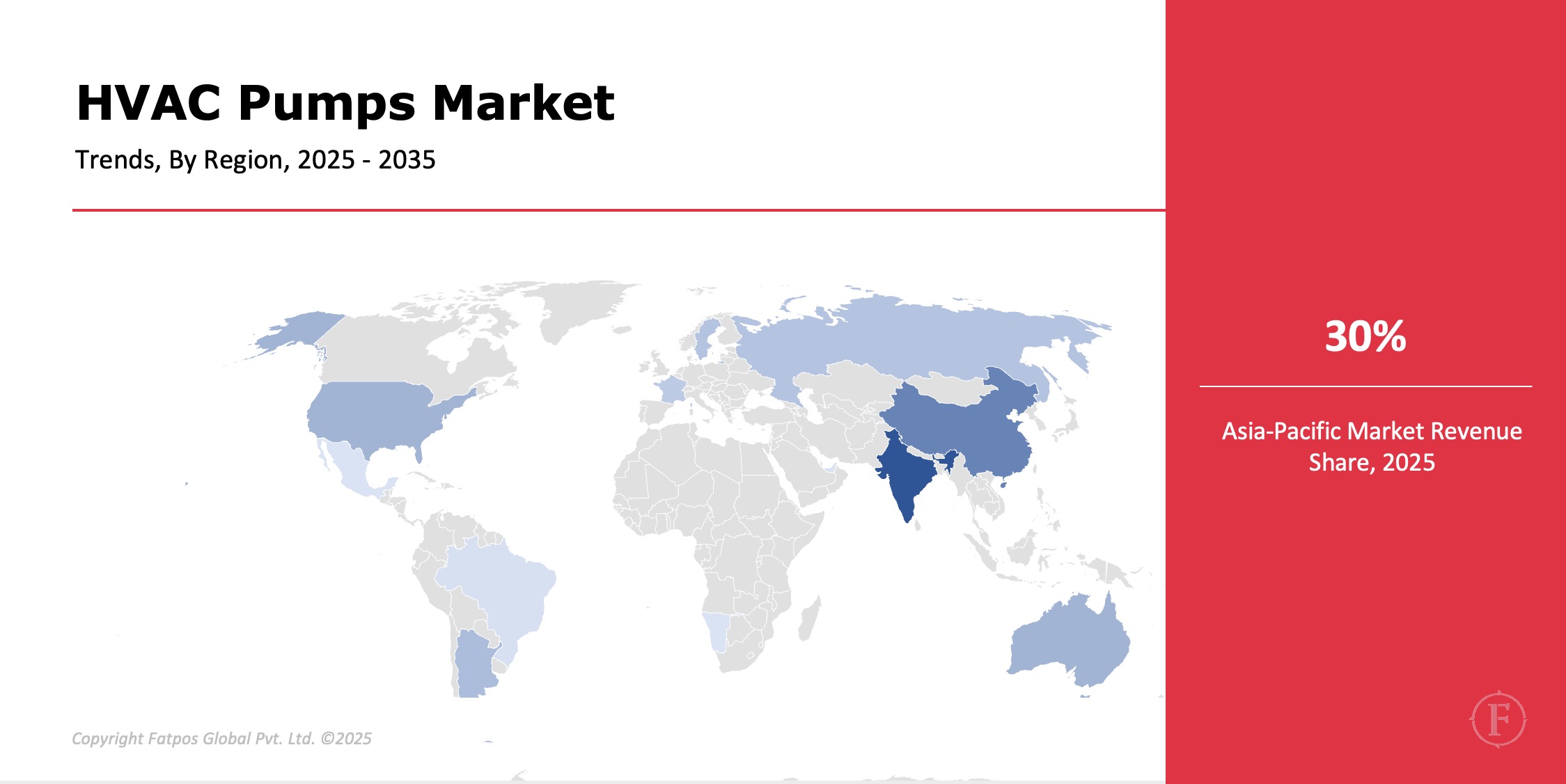
Europe holds a strong position via energy efficiency regulations and green certifications. Key players like Germany, France, UK, Italy, and Spain fuel growth through commercial and industrial upgrades to advanced HVAC tech. Asia-Pacific promises robust expansion from China's, India's, Japan's, and Southeast Asia's urbanization, construction booms, smart cities, and energy-efficient HVAC uptake.
Emerging Latin America and Middle East & Africa see moderate growth in commercial, hospitality, and institutional HVAC installations, trailing developed regions.
Segmentation Highlights
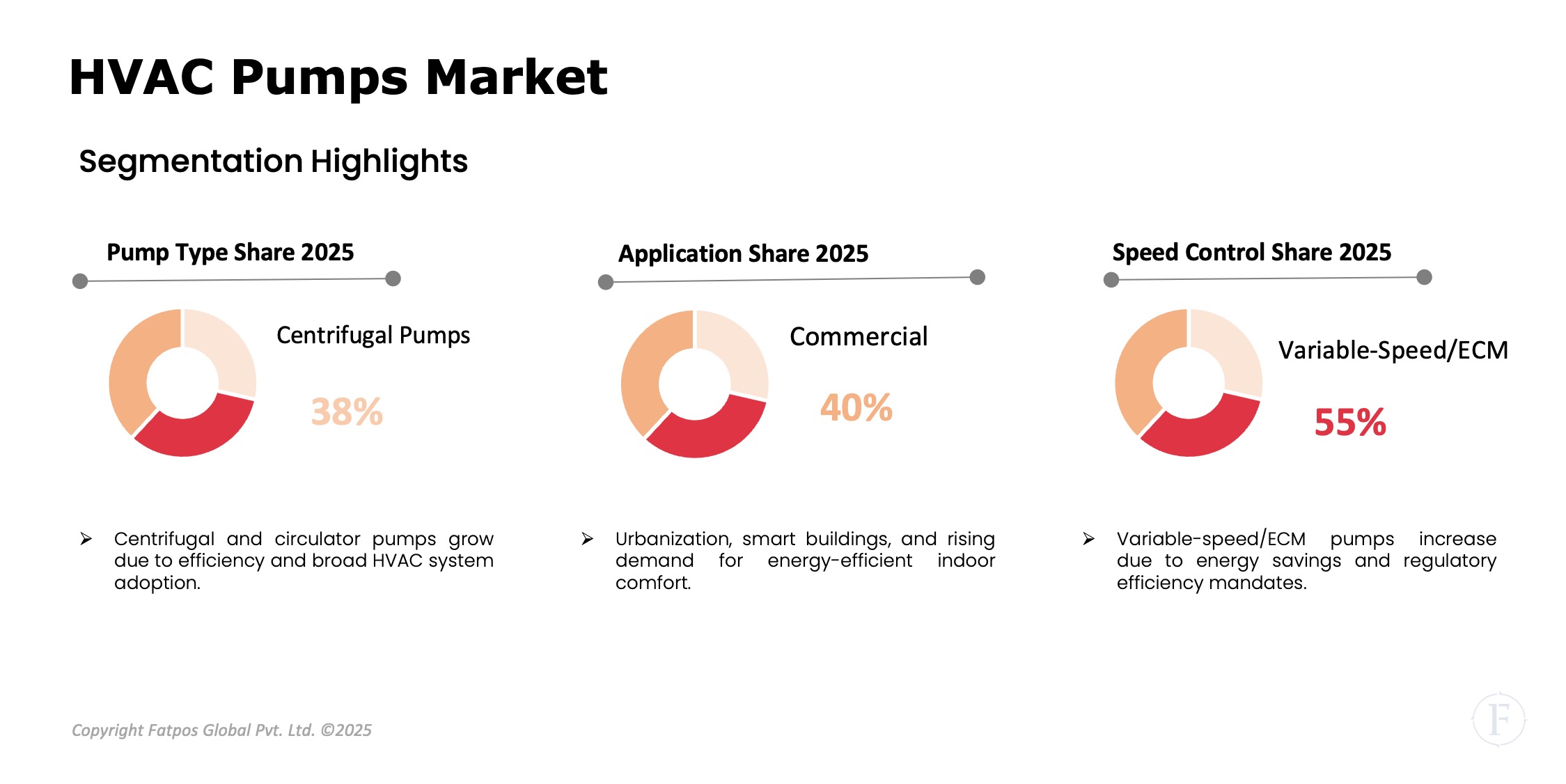
By pump type, centrifugal and circulator pumps dominate due to their versatility across residential and commercial HVAC systems. Multi-stage and booster pumps are key in large-scale commercial and industrial facilities requiring higher pressure and flow rates.
By application, residential and commercial segments account for the majority of demand, fueled by increasing construction of new buildings and retrofit replacements. Industrial applications are also significant due to stringent climate control needs in manufacturing and processing plants.
Report Key Elements
|
ATTRIBUTES |
DETAILS |
|
Study Period |
2019–2035 |
|
Base Year |
2024 |
|
Forecast Period |
2025–2035 |
|
Market Size by 2035 |
USD 22.3 billion |
|
Market CAGR |
4.2% |
|
By Pump Type |
Single-Stage, Multi-Stage, Centrifugal, Booster, Circulator, Condensate, Chilled Water, Heat Pump Circulation |
|
By Application |
Residential, Commercial, Industrial |
|
By Speed Control |
Constant-Speed, Variable-Speed/ECM |
|
By End User |
Commercial, Industrial, Residential |
|
By Region |
North America, Europe, Asia-Pacific, Latin America, MEA |
|
HVAC Pump Market: Key Players |
Grundfos A/S, Xylem Inc., Danfoss A/S, KSB SE & Co. KGaA, Armstrong Fluid Technology |
Global HVAC Pump Industry Instances
- Healthcare Commercial building developers adopted variable-speed HVAC pumps to meet energy-efficiency targets.
- Residential retrofits replaced constant-speed pumps with ECM-based designs to reduce energy use.
- Industrial facilities integrated intelligent pump controls for predictive maintenance.
- Smart building projects incorporated IoT-enabled pump systems for real-time monitoring.
Analyst Review
As per our HVAC Pump Market Analysis, the industry is poised for stable growth through 2035, supported by increasing focus on energy efficiency, regulatory mandates, and smart infrastructure investments. Although upfront costs and technical integration challenges persist, ongoing innovation in pump technologies and widening adoption in emerging regions are expected to sustain demand.
Frequently Asked Questions (FAQ):
HVAC pumps are devices circulating thermal fluids in heating and cooling systems, ensuring efficient temperature control, comfort, and energy efficiency.
Market growth is driven by energy efficiency regulations, infrastructure development, rising urbanization, and increasing adoption of variable-speed pump solutions.
Centrifugal and circulator pumps dominate due to reliability, cost efficiency, and widespread use in residential and commercial HVAC systems.
Asia-Pacific is the fastest-growing region owing to construction growth, urban expansion, climate control demand, and energy-efficient building initiatives.
The long-term outlook indicates steady growth supported by smart building integration, sustainability initiatives, technological advancements, and HVAC system modernization.
 Select License Type


.png)


